
What Is Scraper Web Technology — And How Agencies Can Use It to Win in 2026
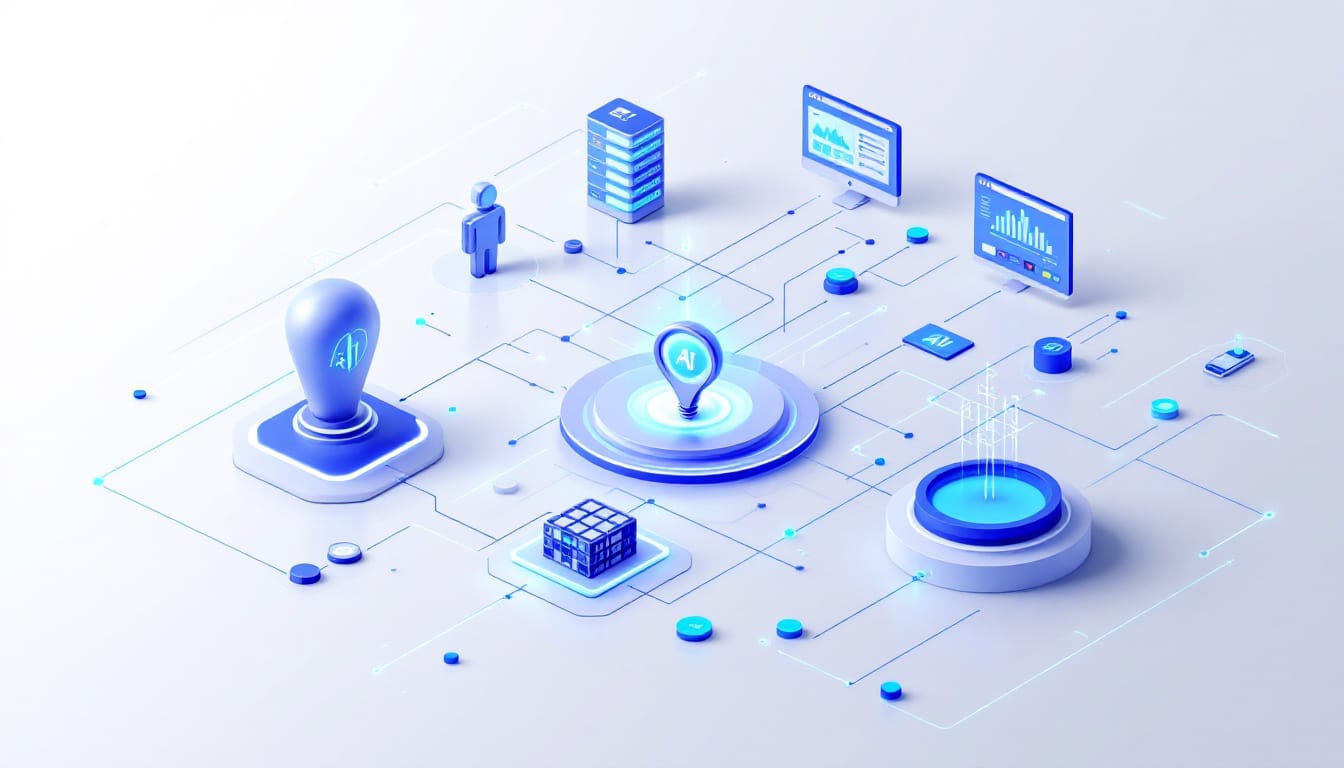
A scraper web refers to the practice of using automated tools to extract data from websites at scale — pulling structured information from web pages that don’t offer a native API or data export. In 2026, web scraping has become a core capability for digital agencies that want to monitor competitors, track rankings, audit content, and feed AI-driven SEO workflows with real-world data. The difference between agencies winning on search and those falling behind often comes down to one thing: who’s working with live data and who’s guessing.
- Web scraping automates data collection from websites, turning unstructured HTML into usable intelligence for SEO, competitor analysis, and content strategy.
- Agencies using scraper web tools can monitor competitor rankings, pricing, and content changes in near real-time — without manual effort.
- AI search engines (ChatGPT, Perplexity, Google AI Overviews) increasingly surface answers drawn from structured, data-backed content — making scrape-informed content a competitive advantage.
- White-label SEO providers that run autonomous scraping pipelines can deliver the kind of AI execution proof that boutique agencies need to close clients — not just pitch decks.
- Legal and ethical compliance matters: responsible scraping respects robots.txt, rate limits, and applicable Australian and international data use guidelines.
What exactly is a scraper web tool and how does it work?
A scraper web tool is software that sends HTTP requests to web pages, parses the returned HTML, and extracts specific data points — text, links, prices, rankings, structured schema — into a usable format like CSV, JSON, or a database. Think of it as reading a webpage the way a browser does, but programmatically and at scale.
The mechanics vary. Some tools use headless browsers (like Puppeteer or Playwright) that render JavaScript before parsing, which is essential for modern single-page applications. Others use lighter HTTP clients that parse static HTML directly — faster and cheaper when JavaScript rendering isn’t needed. Most enterprise-grade scraping pipelines combine both approaches depending on the target site’s architecture.
For agencies, the most relevant use cases cluster around three areas: SERP data (what’s ranking, featured snippets, People Also Ask boxes), competitor content (what they’re publishing, how long it is, how it’s structured), and technical SEO data (page speed signals, schema markup, internal linking patterns). When you’re managing SEO for multiple clients, having automated access to this kind of data isn’t a luxury — it’s the foundation of any credible reporting or strategy.
The tools available in 2026 range from browser extensions like the popular Web Scraper extension (which lets you define scraping workflows through a visual interface) to full-stack platforms with proxy rotation, CAPTCHA handling, and cloud scheduling. The right choice depends on your volume, frequency, and how technically capable your team is.
How do agencies use web scraping for SEO and content strategy?
Agencies use scraper web tools to turn competitor sites and SERP data into actionable SEO intelligence — faster than any manual audit process could match. The output feeds directly into content planning, keyword clustering, and technical recommendations.
Here’s what that looks like in practice. You want to target a competitive keyword for a client in financial services. Before writing a word, you can scrape the top 10 ranking pages for that keyword: pull their word counts, heading structures, FAQ sections, external citation counts, schema types, and internal link patterns. In under an hour, you have a data-driven content brief that tells your writer exactly what Google’s current ranking pages have in common — and where the gaps are.
Competitor price monitoring is another high-value application for e-commerce clients. Scraping a competitor’s product catalogue daily (or hourly) gives you pricing intelligence that used to require dedicated vendor subscriptions costing thousands per month. The same logic applies to content monitoring: if a competitor publishes a new cluster of articles targeting a keyword set your client owns, you want to know about it the day it happens — not three months later when rankings have shifted.
For agencies running AI-assisted content production (which, if you’re not, you’re already behind), scraper web tools provide the real-world data that makes AI output credible. An AI model generating content without grounding in current SERP data produces generic copy. Feed it fresh scraped intelligence — current ranking content structures, live People Also Ask questions, competitor schema patterns — and the output is measurably sharper.
This is exactly the kind of execution proof that closes agency clients. According to BrightEdge Research, over 68% of online experiences begin with a search engine — and the agencies demonstrating data-driven SEO workflows, not just strategic slide decks, are the ones winning those retainers.
What’s the difference between ethical and unethical web scraping?
Ethical web scraping respects a site’s robots.txt file, honours rate limits so you don’t overload servers, and only collects publicly available data — not content hidden behind authentication walls or personal data protected under privacy law. Unethical scraping ignores these boundaries, sometimes causing genuine harm to the target site and exposing you to legal risk.
In Australia, the Privacy Act 1988 and the Australian Privacy Principles govern how personal data can be collected, stored, and used. Scraping personal information — names, emails, contact details — from websites without consent is not a grey area: it’s a compliance risk. The Office of the Australian Information Commissioner (OAIC) has been increasingly active in this area, and agencies advising clients on data strategy need to factor this in.
The practical rules for responsible scraping: always check robots.txt before building a scraper for any domain. Set request delays — typically 1-5 seconds between requests — to avoid hammering servers. Don’t scrape behind login walls. Store only the data you need. And if you’re scraping at commercial scale, consider whether a licensed data provider (who’ve already navigated these compliance questions) is the right choice over DIY.
For competitive intelligence — scraping public SERP data, competitor URLs, page structures, and published content — the ethical picture is generally clearer. Google itself uses automated crawlers to index the entire web. Collecting publicly visible information about your competitive environment is standard industry practice. The line gets drawn at personal data, authenticated content, and patterns of requests that deliberately harm the target site’s infrastructure.
Which scraper web tools are most useful for digital agencies in 2026?
The right tool depends on your use case, team size, and budget. For agencies just starting out, browser-based tools are the lowest barrier to entry. For agencies running automated, multi-client SEO workflows, you need something more scalable.
Here’s a practical breakdown of what’s available:
- Web Scraper (Chrome Extension): Visual, no-code scraper good for one-off data collection tasks. Ideal for small agencies doing manual audits. Free tier available.
- Scrapy (Python framework): Open-source, highly capable, and scales well. Requires technical knowledge but gives you full control over extraction logic. Used by data engineering teams at larger agencies.
- Apify: Cloud-based scraping platform with pre-built “actors” for common use cases (Google SERP, Amazon, LinkedIn). Paid plans scale with usage. Good middle ground between no-code and custom.
- Bright Data (formerly Luminati): Enterprise-grade proxy network and scraping infrastructure. Used when you need geographic targeting or need to handle anti-bot measures at scale.
- DataForSEO: API-first SERP data provider — technically a managed scraping service. Agencies pay per API call rather than building infrastructure. This is what most white-label SEO platforms (including autonomous AI-driven ones) use under the hood.
For boutique agencies billing $5k-$25k per client, the DataForSEO or Apify model tends to make the most sense economically. You’re paying for data without maintaining infrastructure. The DIY Scrapy route makes sense if you have in-house technical capacity and unique data requirements. Most agencies don’t — and that’s exactly why white-label partners who’ve already built this infrastructure are worth evaluating seriously. If you’re weighing whether to build this capability in-house versus partnering, the SEO Reseller vs In-House SEO Team analysis is worth a read.
How does scraper web data feed AI-driven SEO and AEO workflows?
AI-driven SEO workflows — the kind that autonomous platforms now run at scale — depend on fresh, structured data inputs. Web scraping is how that data gets in. Without it, AI models are working from stale training data; with it, they’re responding to what’s actually ranking right now.
The workflow looks roughly like this: a scraping layer collects current SERP data (top-ranking URLs, featured snippet content, People Also Ask questions, related searches). That data feeds into a content brief generation layer, which identifies the structural and topical patterns in high-ranking content. An AI content layer generates or optimises copy against those patterns. A technical audit layer flags on-page issues that scraped comparisons have identified as differentiators for top-ranking pages.
For AEO specifically — getting your clients’ content cited in ChatGPT, Perplexity, and Google AI Overviews — the scraping layer is what tells you what question formats AI engines are currently pulling from, what schema types are appearing in AI-generated results, and which content structures are being extracted as citation chunks. This isn’t theoretical. It’s reverse-engineering observable patterns from the AI search surface, which is exactly what competitive agencies are doing right now.
Agencies that are still relying on LinkedIn outbound and relationship-led pitches to close SEO clients face a specific conversion problem: prospects want to see AI execution in action, not hear about it. The solution isn’t a better pitch deck — it’s showing a live workflow. Scraper-fed AI content production that generates a sample article for the prospect’s own keyword set, in their voice, against their live SERP data, is the kind of proof that moves a decision. That’s the conversion mechanism worth building. For a broader look at the tooling that supports this kind of workflow, the Marketing Agency Software guide covers the stack in detail.
What are the limitations of web scraping that agencies should plan for?
Web scraping isn’t a set-and-forget capability. Sites change their HTML structure, introduce anti-bot measures, and block IP ranges — any of which can silently break a scraper without you knowing until your data pipeline starts returning empty results.
The most common operational challenges: anti-bot protection (Cloudflare, DataDome, reCAPTCHA) that blocks automated requests; dynamic JavaScript rendering that lightweight scrapers miss; IP rate limiting that throttles or bans high-volume requests; and HTML structure changes that break CSS selectors or XPath queries built against an older version of the target site.
For agencies, the practical answer to most of these is either using a managed data provider (who handles infrastructure resilience) or building monitoring into any custom scraper (so you know immediately when it breaks, rather than discovering it three weeks later during a client report). Silent failures are the most dangerous kind.
There’s also the question of data freshness versus cost. Scraping every competitor page daily is expensive in proxy costs and compute. Scraping weekly may miss important changes. The answer varies by client, competitive intensity of their niche, and what data actually drives decisions. Most agencies end up with a tiered approach: daily SERP snapshots for high-priority keywords, weekly for the broader keyword set, monthly for deep competitor content audits.
Frequently Asked Questions
What is a scraper web tool in simple terms?
A scraper web tool is software that automatically reads web pages and extracts specific data — like text, prices, rankings, or links — into a structured format you can analyse or use in other systems. It does programmatically what you’d do manually by copying information from a browser, but at a scale and speed no human could match.
Is web scraping legal in Australia?
Scraping publicly available information is generally legal in Australia, but collecting personal data without consent raises issues under the Privacy Act 1988 and the Australian Privacy Principles. Agencies should check robots.txt, avoid scraping personal information, and consult the OAIC guidelines before building scraping workflows that touch any personally identifiable information.
How do agencies use web scraping for competitor analysis?
Agencies scrape competitors’ published content, page structures, pricing, and SERP rankings to identify gaps and opportunities for their clients. This typically involves tracking which keywords competitors rank for, how their top-ranking pages are structured, and how quickly they publish new content — all of which feeds directly into SEO strategy and content planning.
What’s the difference between web scraping and using an SEO API like DataForSEO?
Web scraping means directly extracting data from websites using custom tools you build or configure. SEO APIs like DataForSEO are managed services that have already done the scraping infrastructure work and sell you clean, structured data via API calls. For most agencies, APIs are faster to deploy, more reliable, and cheaper at moderate volumes than maintaining custom scrapers.
Can web scraping help with appearing in AI-generated answers?
Yes. By scraping current AI Overview content and the pages being cited in ChatGPT and Perplexity results, you can reverse-engineer what content formats, schema structures, and question-answer patterns AI engines prefer to cite. This informs content production decisions that directly improve your clients’ AEO performance — getting their answers surfaced rather than their competitors’.
How often should agencies run web scraping workflows for SEO clients?
The answer depends on the competitive intensity of the client’s niche and what data drives decisions. Daily SERP snapshots for high-priority keywords, weekly competitor content monitoring, and monthly deep audits is a common tiered approach. High-competition categories (finance, health, legal) warrant more frequent monitoring than lower-competition local service niches.
What should agencies look for in a white-label SEO partner that uses scraper web data?
Look for a partner whose AI workflows are demonstrably grounded in live SERP data — not just static training data. Ask to see sample outputs generated against real keyword sets, and check whether their content production reflects current ranking patterns, not generic templates. An autonomous platform that feeds scraped data into content briefs, technical audits, and AEO optimisation is the execution proof that converts agency prospects into signed clients.
How does web scraping support content production at scale?
Scraping current top-ranking pages before content creation gives writers and AI systems a data-driven brief: what word counts correlate with ranking, what heading structures top pages use, what questions appear in People Also Ask, and what external sources high-ranking content cites. This turns content production from guesswork into a repeatable, evidence-based process that scales across multiple clients without proportionally scaling headcount.
For expert Whitelabel Digital Marketing Services guidance in the USA, contact Agency Stack — we run autonomous AI-driven SEO execution so your agency can deliver what you bill, without the overhead of an in-house specialist team.
Written by the Agency Stack team — white-label digital marketing professionals partnering with boutique agencies across the USA and beyond.